Lead Product Designer (UI/UX) Mobile App (iOS & Android) Tools: Figma
Project Introduction
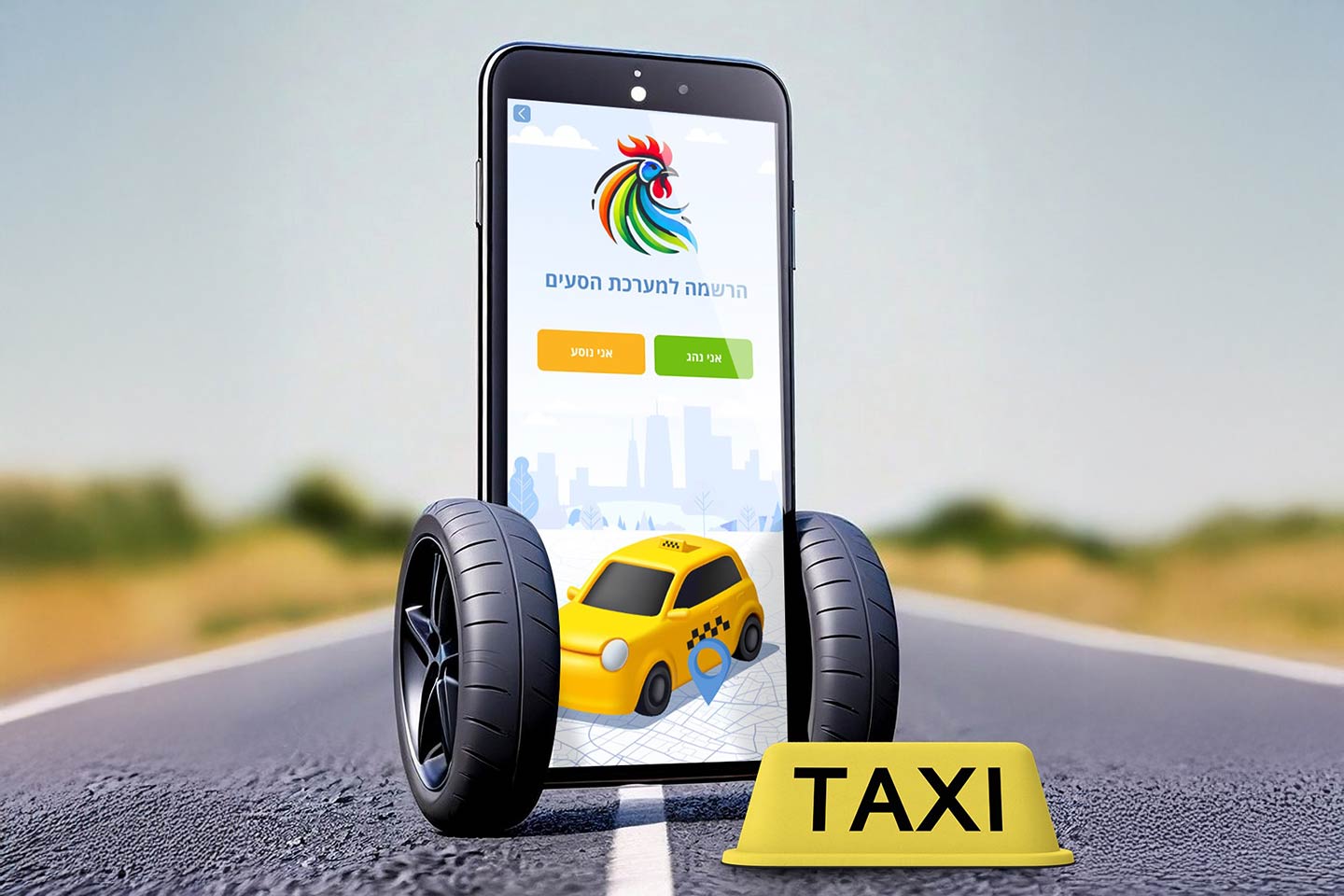
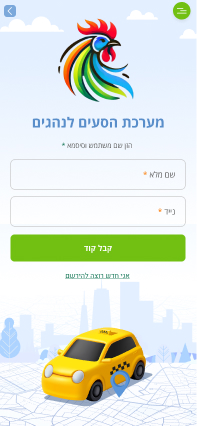
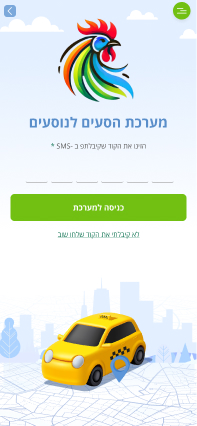
This case study explores the UI/UX design of a dual-purpose mobility application tailored for taxi drivers. The platform disrupts the traditional ride-hailing model by allowing drivers to seamlessly switch between two operational modes: passenger transportation and on-demand package delivery. The primary goal was to maximize drivers’ earning potential and minimize idle time on the road through a single, unified interface.
App Advantages
Personal security
Time savings for the passenger and driver
Solving the trust problem
The Challenge
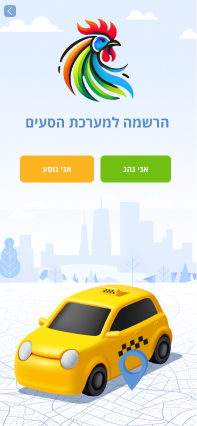
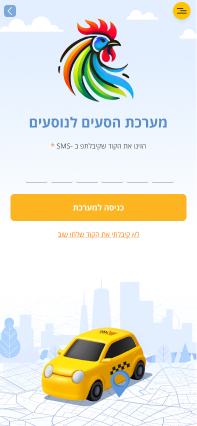
As the sole Product Designer, the core challenge lay in balancing dual personas (passengers vs. logistics) within a fast-paced environment where drivers must make split-second decisions. Furthermore, the UI had to be built around strict branding constraints—a rigid, multi-colored square logo provided by the client. To counter this complexity and reduce cognitive load while driving, I established a strict color-coding system, dedicating Green to driver/ride operations and Orange to passenger and delivery flows, creating a clean, functional, and highly intuitive on-the-road experience.
The solutions
Pain points
The solutions
The solutions
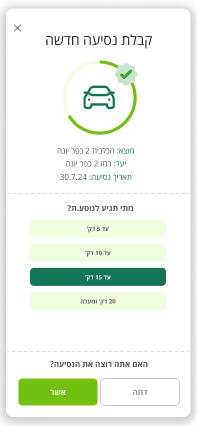
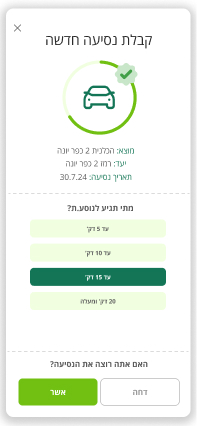
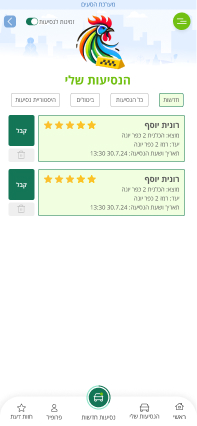
Designed a dynamic home screen that displays real-time ride and delivery offers. The cards utilize the strategic color-coding system (Green for drivers / Orange for passengers and deliveries) paired with distinct iconography. This allows drivers to instantly differentiate between a passenger and a package in a fraction of a second, while viewing critical details at a glance—such as estimated package size or the passenger’s destination.
Pain points
1
Driver Attention Split & Operational Complexity
Taxi drivers are forced to manage two completely different operational models within a single interface: passenger rides (requiring human interaction, strict timing, and point-A to point-B navigation) versus package deliveries (requiring delivery verification, digital signatures, sender/receiver coordination, and cargo handling). Constantly switching between these two distinct worlds creates a high cognitive load while driving.
The solutions
The solutions
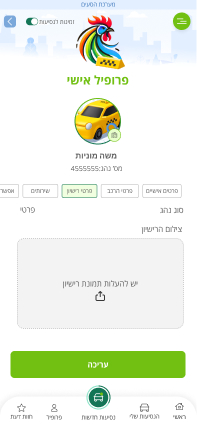
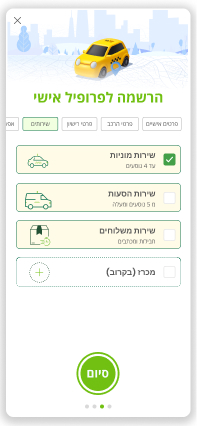
Developed a unified main interface and personal area that allows drivers to toggle their availability for each service independently (e.g., “Available for deliveries only,” “Passengers only,” or “Both”). This solution gives drivers full control over their workflow and optimizes their daily earnings based on current preferences.
Pain points
2
Real-Time Uncertainty & Risk Management
When a driver receives an incoming request, choosing between a passenger or a delivery depends on immediate variables: trip profitability, package volume (will it fit in the trunk?), and waiting times. The lack of fast, clear, and glanceable information leads to lost revenue or high ride cancellation rates.
The solutions
The solutions
Passenger Flow: A seamless, classic ride-hailing experience focused heavily on real-time navigation, pickup ETA, and route mapping.
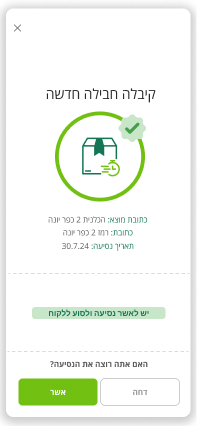
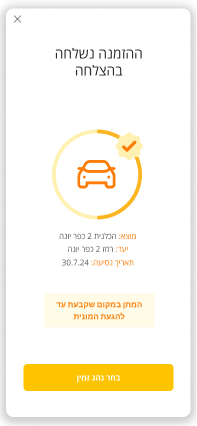
Delivery Flow: A specialized, step-by-step verification process designed to prevent lost items and disputes. This includes custom screens for mandatory actions, such as taking a photo of the package at pickup and collecting a digital signature from the recipient upon delivery.
passenger
taxi driver
Pain points
2
Branding Constraints vs. User Experience
The project required working with a forced, legacy logo that didn’t meet modern UI/UX standards. Its complex color palette and rigid, sharp-edged square geometry failed to convey the natural flow, movement, and dynamism expected from a mobility app.
The solutions
The solutions
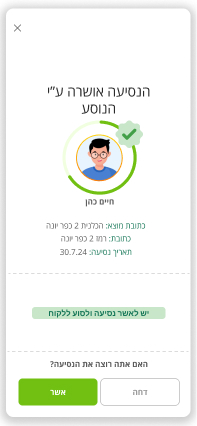
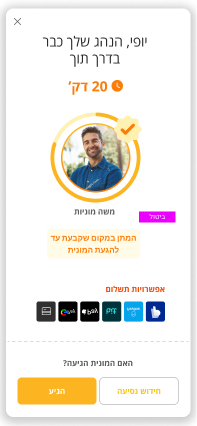
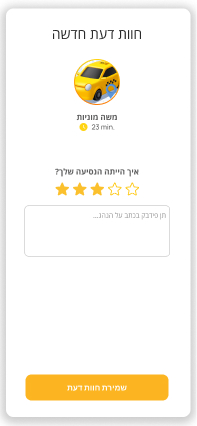
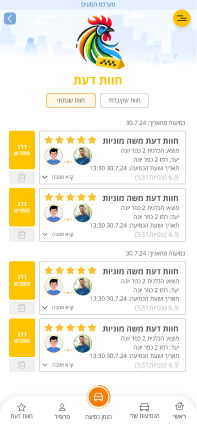
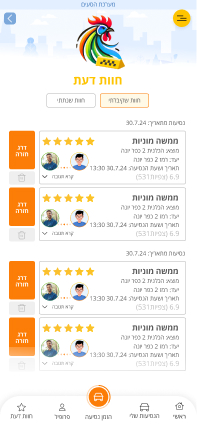
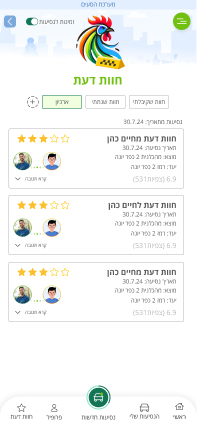
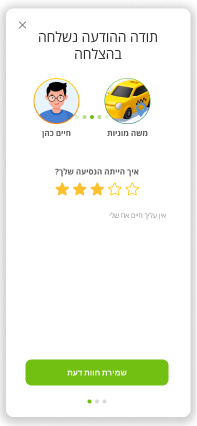
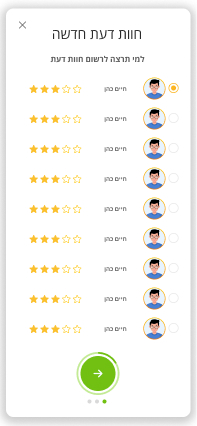
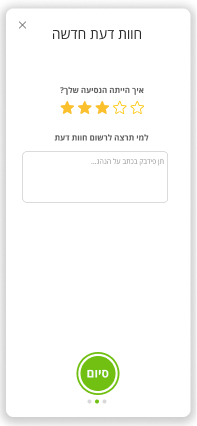
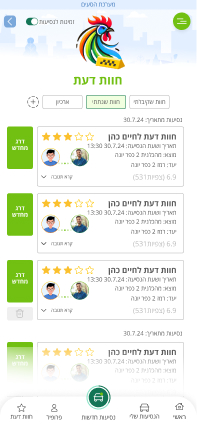
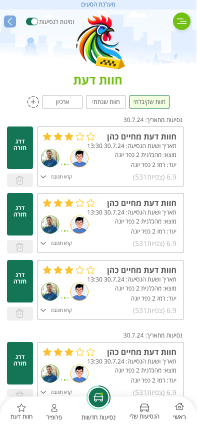
It is possible to see a photo and personal details, ratings and recommendations, and also participate and influence the quality of the trip and personal safety.
Opinions from the driver-passenger app
Pain points
3
Unifying Dual Personas into a Single App
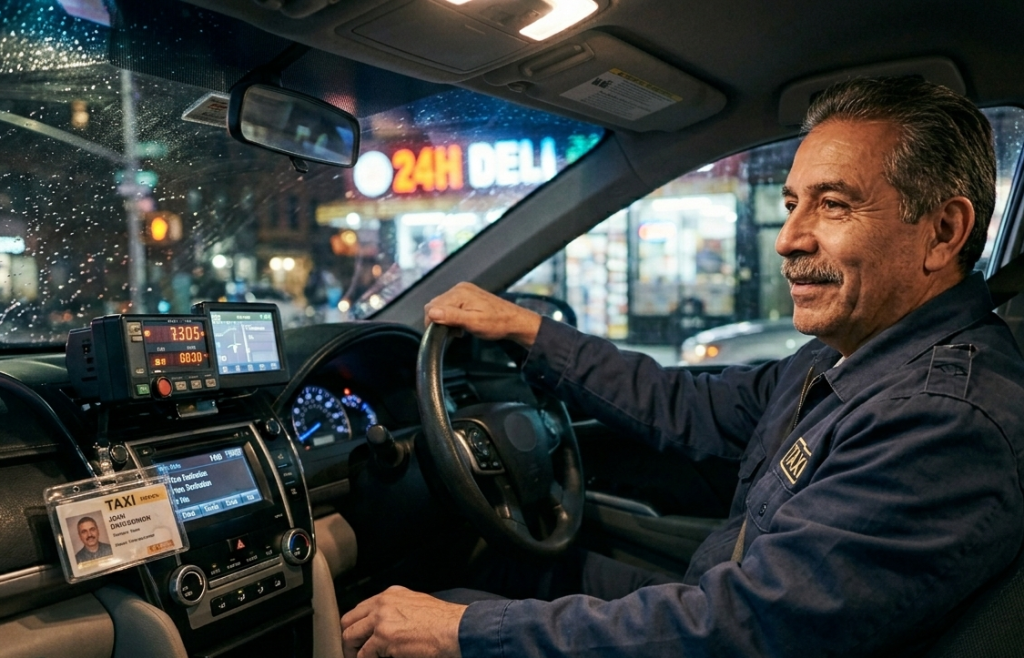
Many times we don’t know who the driver is, whether he looks familiar to us or not, from a safety perspective for both the driver and the passenger.
WHO’RE THE USERS
The Personas
Avi, 55 – The Tech-Savvy Efficiency Seeker
“I don’t want to waste a single minute on the road. If my back seat is empty, my trunk better be full.”
About Avi: Avi has been a taxi driver for over 12 years. He loves the freedom of the job but hates “dead time” (driving around without a fare). He is highly comfortable with smartphones and uses multiple navigation and messaging apps simultaneously while driving.
Goals & Motivations:
Maximize Daily Earnings: Wants to fill gaps between passenger rides with quick package deliveries.
On-the-Road Safety: Needs to understand incoming requests instantly without taking his eyes off the road for more than a split second.
Control over Workflow: Wants the flexibility to choose whether he is open to passengers, deliveries, or both, depending on traffic and his energy levels.
Frustrations & Pain Points:
Cognitive Overload: Complex interfaces with too much text are dangerous and frustrating to use while navigating heavy traffic.
Unclear Request Details: Hates accepting a delivery job only to find out the package is too large for his car or the destination is unprofitable.
Context Switching: Managing two different types of jobs (people vs. boxes) can get confusing if the app doesn’t visually separate them clearly.
Maya,17 – The Fast-Paced Urban Professional
“I need reliability and speed—whether I’m getting to a meeting on time or sending an urgent document to a client.”
About Maya: Maya is a freelance graphic designer and studio manager living in a bustling city. She doesn’t own a car and relies entirely on mobility apps to move around. Often, she also needs to send physical materials (like print proofs or samples) to her clients urgently.
Goals & Motivations:
Speed and Reliability: Needs to know exactly when a driver will arrive, whether for her own ride or for a package pickup.
Trust & Security: When sending valuable documents or items, she needs proof that the package was picked up and safely delivered to the right hands.
Seamless Switching: Wants a straightforward way to book either a personal ride or a courier service without needing to download two separate apps.
Frustrations & Pain Points:
Hidden Statuses: Hates not knowing if her package was delivered or who signed for it.
Cluttered Interfaces: Gets annoyed by apps that mix passenger features with logistics features in a messy, confusing way.
Lack of Communication: Worries that taxi drivers won’t treat her fragile delivery packages with the same care as a dedicated courier.
Typography
OPEN SANS H
Headline | Bold | 22 pt
Text | Regular | 20 pt
Label | Regular | 20 pt
#71C012
#FCB521
Colors
#000000
#598ECA
The Features
.
.
App Advantages
The benefits of having two target audiences in a single app (Driver & Passenger)
1
Personal Safety and Full Transparency
2
Real-Time Accuracy and Certainty
3
Time-Saving for Both Passenger and Driver
4
Solving the Trust Issue
5
Efficient Management of the "Gig Economy"
6
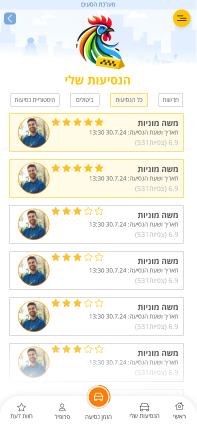
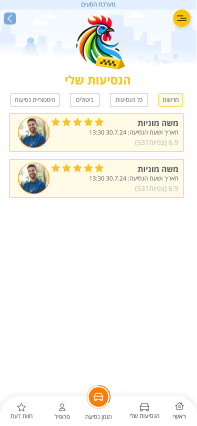
Organization and Structure in Ride History
The Bottom Line: This app transforms the shared riding experience from a complex, anxiety-inducing process into a seamless, safe, managed, and data-driven experience that serves the mutual interests of both target audiences equally.